








PVC is a top choice for exterior trim, millwork, and architectural elements thanks to its durability, moisture resistance, and low maintenance. But can you paint PVC if you want to change its appearance or match a specific design? The short answer is yes. With the right approach and materials, painting PVC can give you a beautiful, lasting finish that blends seamlessly with your home’s aesthetic.
In this expert guide, we’ll walk you through the benefits of painting PVC, how to do it properly, and how to make sure the results last, whether you’re updating porch columns, trim, or any exterior PVC product.
Can You Paint PVC?
Yes, you can paint PVC. While PVC is often left in its natural white finish, many homeowners and builders choose to paint it to match siding, shutters, or other exterior elements. The key is using the right prep steps and paint products specifically formulated for use on plastic surfaces.
Painting PVC adds versatility to an already durable material and allows for complete customization in residential and commercial projects.
Most important spec on painting

You cannot paint PVC with dark colors unless you are using a heat-reflective or solar-reflective finish.
Let’s dive in. On every color, there is an LRV listed, which means:
- (L) – Light
- (R) – Reflective
- (V) – Value
100 being White and 0 being black – you cannot paint PVC or Vinyl with any LRV under 55.
55-100 can be any acrylic latex paint.
Do not paint any PVC or Vinyl products with oil-based paint, as it will not adhere properly and may fail.
Do not caulk with Silicone. There are acrylic silicone hybrids that work because they are primarily acrylic.
Why Paint PVC? Benefits and Reasons Explained

PVC trim often comes in a crisp white finish, which looks great on many homes. But sometimes, white isn’t the right fit for your exterior color palette. That’s where paint comes in.
There are several great reasons to paint PVC:
- Design Flexibility: Painting PVC lets you coordinate it with siding, shutters, doors, or other architectural elements, achieving a cohesive, custom look.
- UV Protection: Although PVC is inherently UV-resistant, high-quality paint can add another layer of defense against fading over time, especially in sun-prone areas.
- Aesthetic Cohesion: When paired with painted wood or fiber cement, painted PVC blends in better, eliminating the visual contrast between materials.
- Style Updates: As your tastes evolve or trends shift, painted PVC is easy to update. Just repaint it to reflect your latest style or seasonal color preferences.
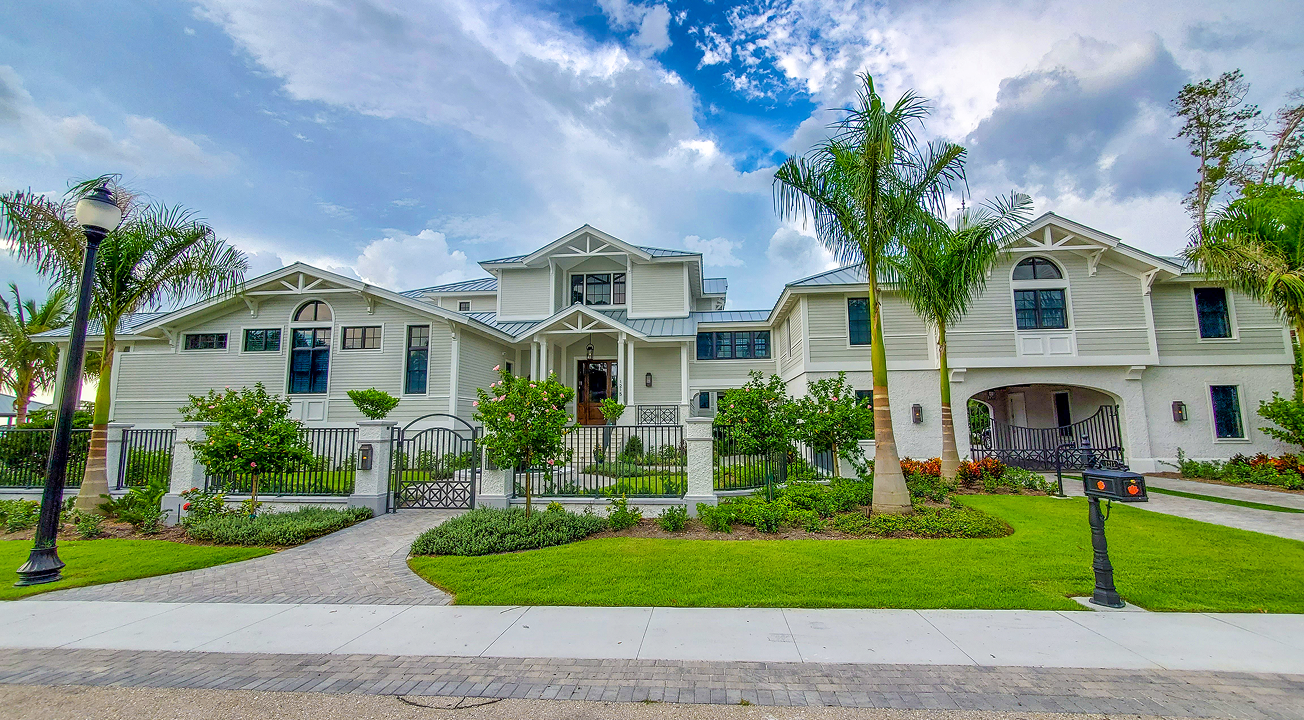
Want to see how painted PVC can transform a project? Browse our HB Elements portfolio for real-world examples of beautiful, high-performance exterior finishes.
Step-by-Step Guide: How to Paint PVC Properly
Painting PVC might seem intimidating at first, but it’s a simple process when broken down into manageable steps. Whether you’re tackling a DIY project or guiding a contractor, following these key steps ensures a clean, long-lasting finish that enhances both the beauty and performance of your trim or millwork.
The process involves three essential phases:
- Surface Preparation: Cleaning and scuffing the surface for optimal paint adhesion.
- Priming and Product Selection: Choosing and applying the correct primer and paint.
- Application and Drying: Painting in ideal conditions and using best practices to ensure a professional finish.
Let’s dive into each of these in more detail to give you the confidence to tackle your next PVC painting project.
Preparing Your PVC Surface for Painting
Before applying any paint, proper prep is essential for long-lasting adhesion. Start by cleaning the PVC thoroughly. Use a mild household cleaner or a mix of soap and warm water to remove dust, oils, and surface residue.
After the surface is dry, lightly scuff it with fine-grit sandpaper (around 220 grit). This helps break the surface sheen and allows the primer to bond effectively. Wipe away any sanding dust with a clean, dry cloth.
Think of this step like priming a canvas: the better the base, the better the finished product.
Choosing the Right Paint for PVC
Not all paints will adhere well to plastic surfaces, so selecting the right products is key. Look for paints labeled for use on vinyl, plastic, or exterior surfaces.
- Primer: A bonding primer formulated for PVC or non-porous materials is essential. It helps the paint adhere and resist peeling over time.
- Paint: Exterior acrylic latex paints work well for most PVC applications.
Paint-and-primer-in-one products are also an option, but make sure they specify plastic compatibility. Avoid oil-based paints. They may discolor in the sun and tend not to adhere as well to PVC.s.
Painting PVC: A Simple Process
Once the primer is fully dry, you’re ready to paint.
Apply thin, even coats using a synthetic brush, roller, or paint sprayer. Follow the manufacturer’s recommended drying times between coats. Two coats are typically sufficient for full coverage and durability.
Paint in a clean, dry environment with temperatures between 50°F and 85°F for best results. Painting in humid or dusty conditions can affect the finish and longevity.
What Paints Work Best for PVC?
The best paints for PVC are high-quality 100% acrylic latex paints formulated for exterior use. They offer excellent durability, color retention, and flexibility. Brands that specifically market paints for vinyl or plastic surfaces are a safe bet.
Top options include:
- Exterior-grade acrylic paints from premium brands
- Paint-and-primer-in-one products for convenience
- Satin or semi-gloss finishes for easy cleaning and a refined look
Need help matching your trim to your siding or existing paintwork? Our parts of a house exterior guide can help you plan with confidence.
Common Mistakes to Avoid When Painting PVC
Even though painting PVC is straightforward, there are a few pitfalls that can compromise your results:
- Skipping the Primer: PVC won’t hold paint without a proper bonding primer. This step is non-negotiable.
- Painting Dirty or Glossy Surfaces: Failing to clean or scuff the surface leads to poor adhesion.
- Using the Wrong Paint: Oil-based or general interior paints won’t last outdoors on PVC.
- Rushing the Dry Time: Let each coat dry fully before applying the next to prevent bubbling or peeling.
Avoiding these common missteps will help your painted PVC look better and last longer.
How Long Does Painted PVC Last? Durability Insights
When painted correctly, PVC can hold paint for many years without chipping or fading. High-quality acrylic paints with UV protection will retain their color and finish even in harsh outdoor conditions. Touch-ups are rarely needed, and full repainting is often unnecessary for a decade or more.
Because the material beneath the paint is so durable, PVC provides a reliable surface that doesn’t expand, contract, or warp like wood. This stability helps maintain the integrity of the painted finish over time.
Can You Paint PVC Outdoors? Tips for Exterior Projects

Painting exterior PVC is not only possible, it’s quite common. The process is similar to interior painting, but there are a few key points to keep in mind:
- Paint during mild, dry weather to prevent issues with drying and adhesion
- Use paint rated for outdoor use, specifically designed to withstand sun, rain, and temperature fluctuations
- Focus on ventilation when working with primers or spray paints
Projects like updating front porch columns often involve painting PVC components to match the overall look of the entryway. The right paint job helps tie everything together.
Best Practices for Maintaining Painted PVC
Painted PVC is very low maintenance, especially when painted with quality products. However, a few simple steps can help keep it looking its best for years:
- Wash gently with soap and water once or twice a year to remove dirt and grime
- Avoid harsh chemicals or abrasives that can dull the finish
- Inspect periodically for any signs of fading, especially in areas with direct sunlight
Since the paint layer sits on a stable, weather-resistant material, any maintenance is generally cosmetic and easy to manage.
Is Painting PVC Worth It for Your Project?
Painting PVC is a smart and definitely recommended, straightforward way to customize your home’s exterior while enjoying the many benefits of this versatile material. There are few situations where you wouldn’t paint, number one being its not in the budget or it is being used as a board not gaining aesthetics but is giving value from no rot. With proper prep and the right products, painted PVC can look amazing and last for years.
If you’re planning a new build or renovation and want long-lasting performance with full design flexibility, painted PVC could be the ideal solution. Browse our store for premium PVC trim and millwork options, or get inspired by our latest project portfolio to see what’s possible.
Whether you’re refreshing a few exterior details or planning a complete overhaul, HB Elements offers durable, beautifully crafted solutions designed to stand the test of time.