


Blog
Why Cellular PVC Is a Smart Material Choice for Pergolas in Florida’s Climate
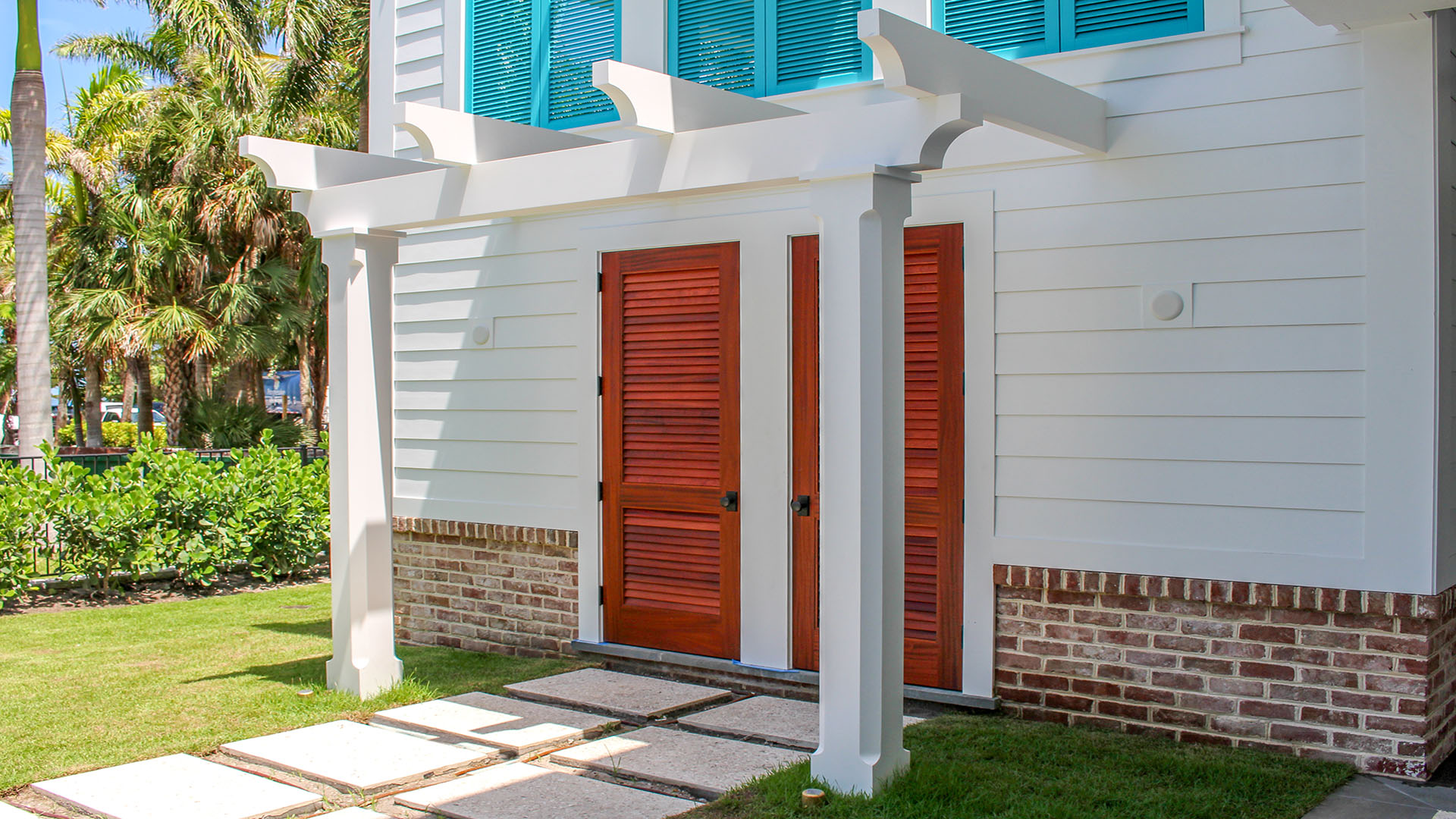
A well-designed pergola can transform an ordinary backyard into an inviting outdoor living space, providing shade, architectural character, and a place to enjoy Florida’s year-round sunshine. However, choosing the right pergola involves more than finding a design that complements your home. The material you select plays an equally important role in how well the structure performs over time.
While traditional wood pergolas offer timeless appeal, they also come with maintenance challenges, particularly in Florida’s humid and coastal environments. For homeowners looking for an alternative, cellular PVC provides a combination of durability, design flexibility, and low-maintenance performance.
Understanding the benefits of a cellular PVC pergola can help homeowners, architects, and builders make informed decisions when planning outdoor spaces built to withstand Florida’s demanding climate.
What Is Cellular PVC, and Why Is It Used for Pergolas?
Cellular PVC, or cellular polyvinyl chloride, is an engineered material commonly used in exterior architectural millwork. Unlike conventional solid PVC, cellular PVC has a lightweight, foam-like internal structure that makes it suitable for fabrication into decorative profiles and detailed architectural components.
Its ability to replicate the clean, finished appearance of traditional wood without the same vulnerability to moisture-related rot makes it a practical option for outdoor applications.
In pergola construction, cellular PVC can be used to create decorative beams, columns, brackets, and rafters. Depending on the design and structural requirements, these components may incorporate internal reinforcement to provide additional support.
For Florida properties, this combination of architectural versatility and resistance to moisture-related deterioration makes cellular PVC particularly appealing.
How Does Cellular PVC Perform in Florida’s Climate?
Florida’s climate presents several challenges for exterior structures. High humidity, frequent rainfall, strong sunlight, and coastal salt exposure can affect the appearance and longevity of outdoor materials.
Cellular PVC offers several advantages that make it well-suited for these conditions.
- Resistance to Moisture and Rot
One of the biggest challenges with traditional wood pergolas is prolonged exposure to moisture. Rainfall and humidity can contribute to swelling, rot, and deterioration when wood is not properly protected.
Cellular PVC does not absorb moisture in the same way as wood and is not susceptible to wood rot. This makes it especially useful for pergolas installed near swimming pools, gardens, and other moisture-prone outdoor spaces.
- Protection Against Insect Damage
Wood-damaging insects, including termites, can create additional maintenance concerns for Florida homeowners.
Unlike natural wood, cellular PVC is not a food source for termites or other wood-boring insects. This helps eliminate one common source of deterioration associated with traditional wooden pergolas.
- Low-Maintenance Performance
Maintaining a wood pergola often involves periodic staining, sealing, or refinishing to protect its appearance.
A vinyl pergola constructed with quality cellular PVC typically requires less ongoing maintenance. Routine cleaning and adherence to the manufacturer’s care recommendations can help preserve its finish and appearance.
For homeowners who want to spend more time enjoying their outdoor spaces rather than maintaining them, this is a significant advantage.
- Suitability for Coastal Environments
Salt air is another important consideration for homes located near Florida’s coastline. While cellular PVC itself does not rust or corrode, the hardware and structural components used alongside it must also be selected for coastal exposure.
A properly designed pergola should combine moisture-resistant exterior materials with suitable reinforcement, fasteners, and finishes.
This makes the overall quality of the pergola system just as important as the material used for its decorative components.
Cellular PVC vs. Wood Pergolas: What Is the Difference?
Both wood and cellular PVC can create attractive outdoor structures, but their maintenance requirements and material characteristics differ.
Wood Pergolas
Wood provides a natural appearance and can be stained or finished in a variety of colors. However, it requires regular attention to protect against moisture, insects, and weather-related deterioration.
Depending on the wood species, finish, and level of exposure, homeowners may need to periodically repaint, reseal, or replace deteriorating components.
Cellular PVC Pergolas
Cellular PVC provides a clean architectural appearance with less susceptibility to moisture-related rot and insect damage.
Although the initial material and fabrication costs may be higher than some wood alternatives, reduced maintenance requirements can make cellular PVC a practical long-term investment.
It is important to note that cellular PVC is not automatically a substitute for structural lumber. Pergola systems must be appropriately engineered, and some designs require internal reinforcement to meet their intended structural demands.
For Florida homeowners prioritizing durability and ease of maintenance, cellular PVC offers a compelling alternative.
Design Versatility: Freestanding and Wall-Mounted PVC Pergolas
Beyond material performance, cellular PVC offers flexibility in how pergolas are designed and incorporated into outdoor spaces.
Freestanding Vinyl Pergolas
A freestanding vinyl pergola can create a dedicated outdoor destination separate from the main residence.
These structures are often used to define poolside seating areas, garden retreats, outdoor dining spaces, and backyard entertaining areas.
Their open framework introduces architectural interest while allowing homeowners to maintain a connection to the surrounding landscape.
With customizable columns, beams, and decorative details, freestanding pergolas can complement both traditional and contemporary Florida homes.
Vinyl Wall Mounted Pergolas
A vinyl wall-mounted pergola provides another option for enhancing a home’s exterior.
Depending on the design, these structures can be attached to or positioned alongside an existing building to accent patios, entryways, windows, and other architectural features.
Wall-mounted designs are particularly useful when the goal is to introduce decorative detailing without creating a separate freestanding structure.
Both configurations require appropriate engineering, fastening, and installation to accommodate the property’s structural conditions and applicable building requirements.
Why PVC Pergola Rafters Matter for Design and Durability
Rafters are among the most recognizable architectural elements of a pergola. They form the overhead framework that defines the structure’s appearance and influences the amount of shade it provides.
PVC pergola rafters offer the ability to incorporate clean lines, decorative ends, and custom profiles without relying on exposed natural wood.
For Florida homes, these features can be particularly valuable when designing pergolas inspired by coastal, Key West, British West Indies, or contemporary architectural styles.
Cellular PVC rafters also resist moisture-related rot, helping maintain the appearance of exposed overhead details.
However, decorative PVC rafters should not be assumed to provide structural support on their own. Depending on the pergola’s design, they may require internal reinforcement or an engineered supporting framework.
Choosing properly fabricated components helps ensure that the finished pergola delivers both architectural appeal and the performance required for its intended application.
Outdoor Vinyl Trellises: Another Versatile Application
Cellular PVC is not limited to pergola construction. It is also used to manufacture decorative trellises that enhance exterior walls, entryways, windows, and garden spaces.
An outdoor vinyl trellis can introduce architectural depth and visual interest without the same maintenance requirements associated with traditional wood.
Trellises can be designed with decorative brackets, beams, and rafters to complement the surrounding architecture.
For homeowners seeking a cohesive exterior design, cellular PVC pergolas and trellises can be coordinated with other architectural millwork elements, including columns, brackets, and trim.
This versatility makes cellular PVC a useful material for projects where durability and design consistency are equally important.
Who Manufactures Vinyl Pergolas and Trellises in Florida?
For homeowners, architects, and builders searching for a Florida-based manufacturer, HB Elements specializes in custom exterior architectural millwork, including cellular PVC pergolas and trellises.
Located in Pompano Beach, Florida, HB Elements manufactures products designed to address the environmental demands of coastal properties while complementing a wide range of architectural styles.
Our vinyl pergolas are manufactured using cellular PVC with an internal aluminum structural core. We also use aluminum or stainless steel hardware, with marine-grade finishes applied to exposed components.
HB Elements offers freestanding and wall-mounted pergola configurations, along with customizable architectural details to accommodate different project specifications.
Our pergolas and trellises are available in installation-friendly kits, helping builders and contractors incorporate these exterior features into residential and commercial projects.
With experience manufacturing exterior millwork for South Florida’s coastal environment, HB Elements combines material selection, architectural craftsmanship, and custom fabrication to deliver pergola and trellis solutions designed for lasting performance.
Choose Cellular PVC Pergolas for Lasting Outdoor Appeal
Florida’s outdoor lifestyle deserves architectural features that can withstand the demands of its climate. From intense humidity and frequent rainfall to coastal salt exposure, selecting the right pergola material can make a meaningful difference in long-term maintenance and durability.
Cellular PVC offers an appealing balance of moisture resistance, low-maintenance performance, and design versatility. Whether you’re considering a freestanding pergola, wall-mounted design, or a decorative trellis, quality materials and proper construction are essential.
At HB Elements, we manufacture cellular PVC pergolas and trellises that combine architectural detailing with materials selected for Florida’s coastal conditions.
Explore our Vinyl Pergolas and Trellises or contact HB Elements to discuss the right design for your next outdoor project.